
*As an Amazon Associate, I earn from qualifying purchases.*
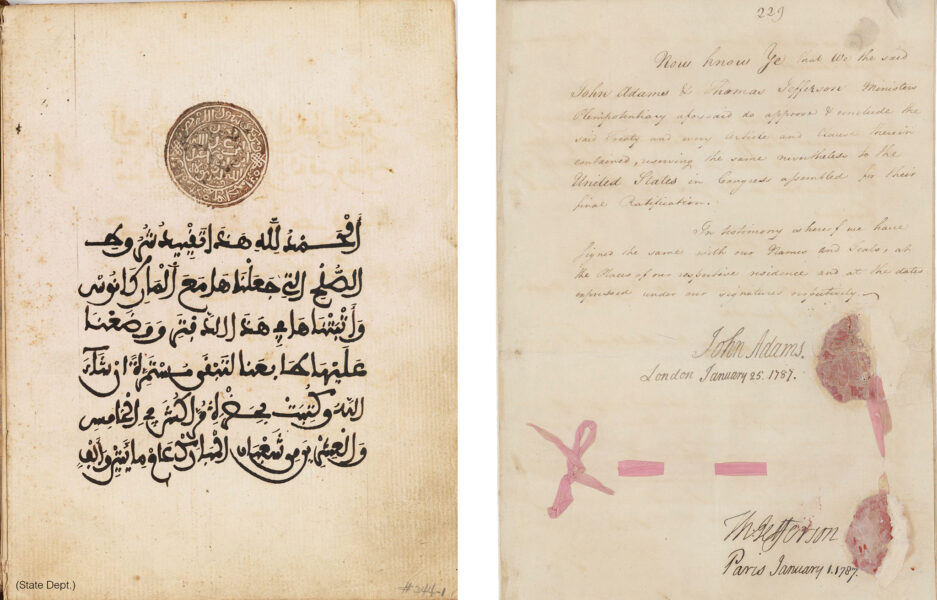
The Morocco US Alliance remains one of the most fascinating yet untold stories of the American Revolutionary War. As the United States celebrates its historic 250th anniversary, Americans are looking back at the heroes who made their freedom possible. While European giants hesitated, an unexpected kingdom in North Africa stepped up to change global history forever.
In this article, we will dive deep into the secret letters, diplomatic mastermoves, and the timeless friendship that shaped the destiny of the United States of America.
The Historic Roots of the Morocco US Alliance
Back in 1776, the newly declared United States was vulnerable. The British Empire controlled the seas, and American merchant ships were constantly under threat. General George Washington needed international recognition and safe trade routes to survive.
In 1777, Sultan Sidi Mohammed ben Abdallah of Morocco made a revolutionary decision. He issued a royal decree declaring that all American ships would enjoy free and safe passage into Moroccan ports. This bold move made Morocco the very first nation in the world to publicly and officially recognize the independence of the United States.
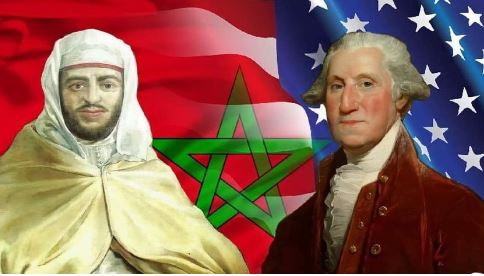
Sultan Sidi Mohammed III and George Washington – The dawn of a historic partnership.
How Morocco Protected American Ships in the Atlantic
During the late 18th century, the Atlantic Ocean and the Mediterranean Sea were highly dangerous for new nations. Piracy was a massive threat to global commerce. Without a powerful navy, early American merchant vessels were easy targets for capture.
By establishing the official Morocco US Alliance, the Moroccan Sultan did more than just sign papers; he actively protected American interests. Moroccan ports became safe havens where American sailors could rest, resupply, and trade without the fear of foreign aggression. This crucial naval protection allowed the young American economy to breathe and expand during its most critical developmental years.
George Washington’s Secret Letter to the Sultan
This historic gesture did not go unnoticed. The Morocco US Alliance was officially cemented when George Washington wrote a deeply respectful thank-you letter to the Moroccan Sultan. In this letter, Washington expressed his gratitude for Morocco’s early support during America’s darkest hours.
Later, in 1786, both nations signed the Moroccan-American Treaty of Peace and Friendship. To this day, this document holds the record as the longest-broken, continuously active peace treaty in United States history.
According to official historical records on the U.S. Department of State website, this alliance opened the doors for centuries of diplomatic, cultural, and economic cooperation between the two regions.
Centuries of Economic and Cultural Exchange
Following the initial treaty, the relationship between the two countries evolved into a thriving trade network. Morocco exported valuable goods such as leather, fruits, and traditional North African products, while the United States brought industrial concepts and new agricultural methods to the region. This economic interdependence strengthened local markets and built a bridge of mutual respect that survived world wars and global political shifts.
How the Alliance Connects to Amazigh Legacy
Understanding this historical milestone requires a deeper look into the cultural fabric of North Africa. The rich history of Morocco is deeply intertwined with its indigenous roots. Exploring the historical context of this era connects perfectly with our previous research on North African heritage, which you can read about in our dedicated section on Amazigh history and cultural legacy.
The strategic naval power of Morocco during the 18th century was built upon centuries of Mediterranean seafaring expertise, a legacy that directly influenced the success of the Morocco US Alliance.
Conclusion: A Friendship That Changed History
As America marks its 250th year of independence, the Morocco US Alliance stands as a powerful reminder that true friendship knows no geographical or cultural boundaries. From the dangerous waters of the Atlantic in 1777 to modern strategic partnerships, Morocco and the US continue to share a unique historical bond.
What do you think about this incredible piece of history? Share your thoughts in the comments below, and don’t forget to share this article with history enthusiasts!