
Massinissa: The Architect of Numidia and the Visionary King
Massinissa king of Numidia the Great Unifier,
In the historical archives of North Africa, few figures command as much respect and academic interest as King Massinissa (c. 238 – 148 BC). As the first ruler to unify the fragmented tribes into the powerful Kingdom of Numidia, his reign marked a pivotal shift in Mediterranean geopolitics. Renowned for his tactical brilliance and his foundational slogan, “Africa for the Africans,” Massinissa was not merely a military leader but a statesman who navigated the complex rivalries between Rome and Carthage to secure the sovereignty of his people.
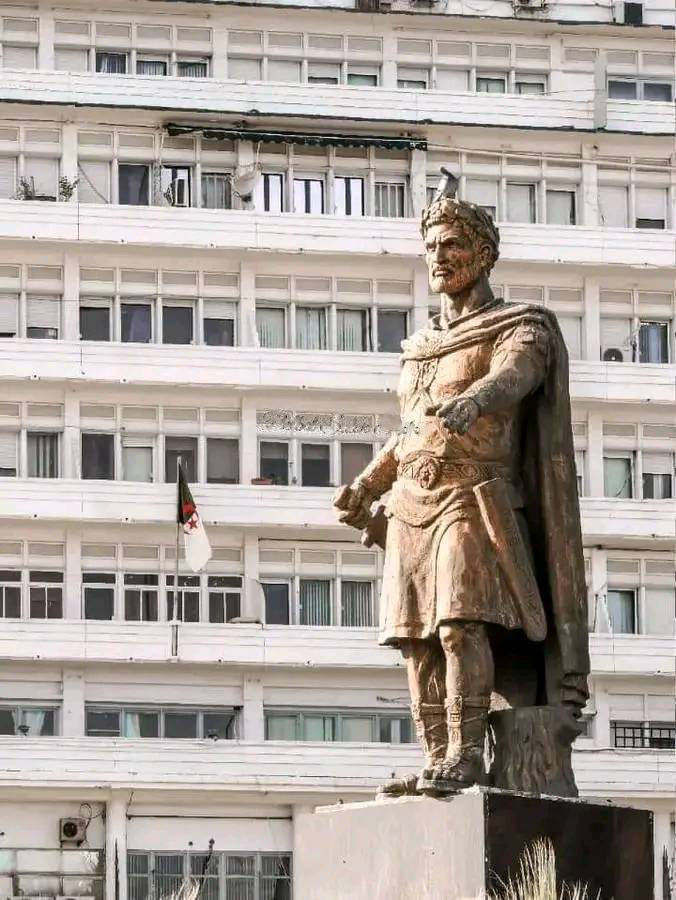
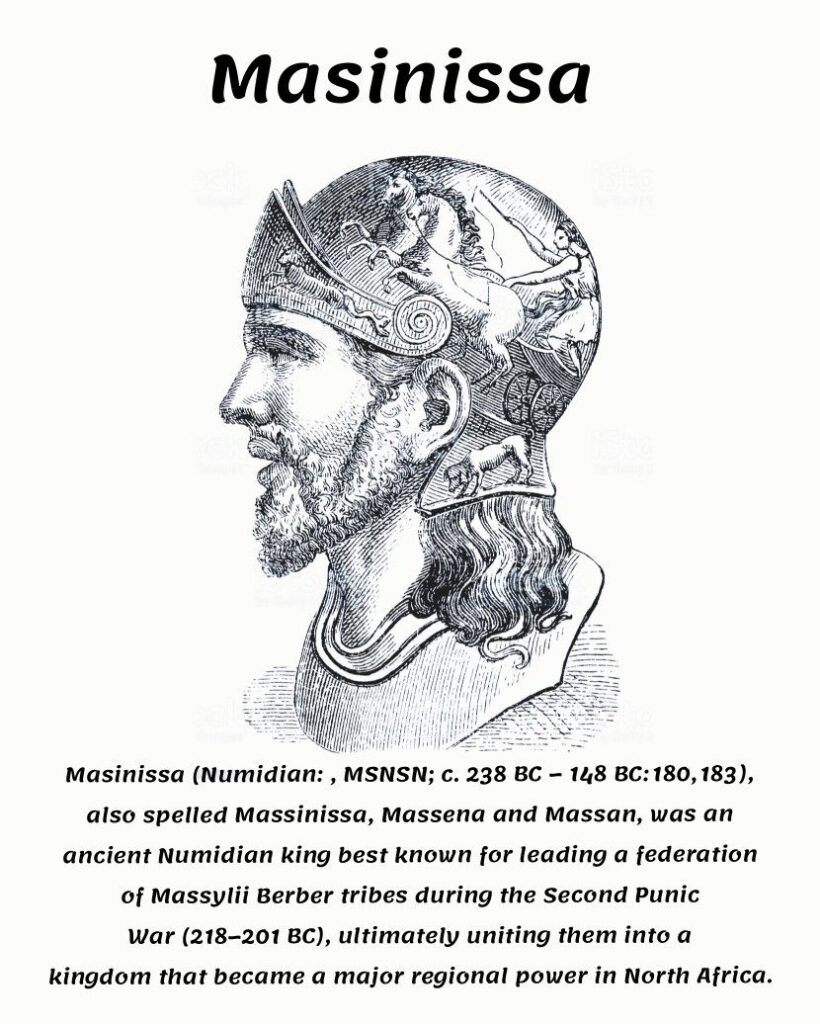

From Nomadic Tribes to an Agrarian Empire ; The Strategic Genius of Massinissa King of Numidia:
Historical studies and archaeological findings at sites like The Mausoleum of Thugga and the Soumâa du Khroub in Constantine confirm that Massinissa’s greatest achievement was the economic transformation of Numidia. Scholars such as Polybius noted that Massinissa found a land of nomadic tribes and left it a settled, agricultural powerhouse, often referred to as the “Granary of Rome.”
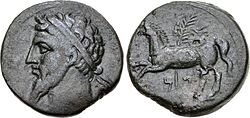
By minting his own coinage and fostering the use of the Libyco-Berber (Tifinagh) script in administration, he established a sophisticated state apparatus. Archives from documentaries and history books emphasize that this agrarian revolution was not merely for trade, but a strategic move to bind the Amazigh people to their land, creating a permanent and stable Numidian identity that resisted foreign assimilation for decades.

Military Diplomacy and the Pursuit of Sovereignty
Massinissa’s rise to power was a masterclass in strategic survival. Historical records from the classical archives confirm that after the death of his father, Gaia, he endured a period of exile and intense conflict against the Masaesyli and their Carthaginian backers. His eventual alliance with the Roman General Scipio Africanus was not a sign of submission, but a calculated geopolitical move to reclaim his ancestral throne and secure the borders of a Unified Numidia.
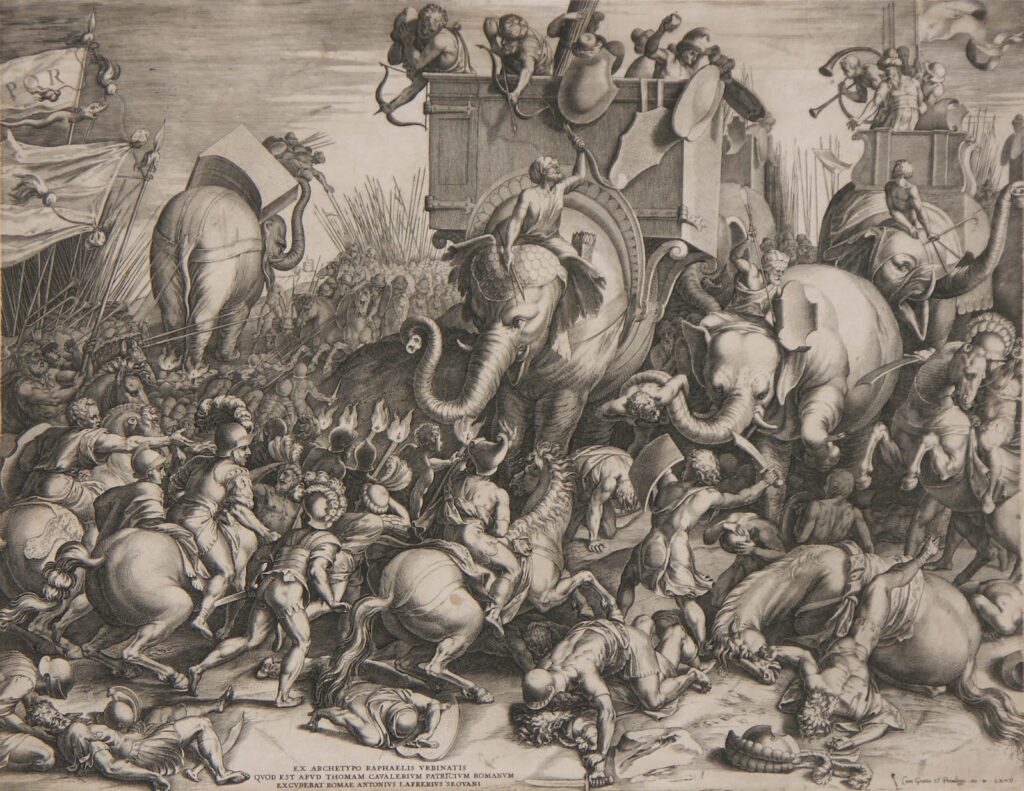
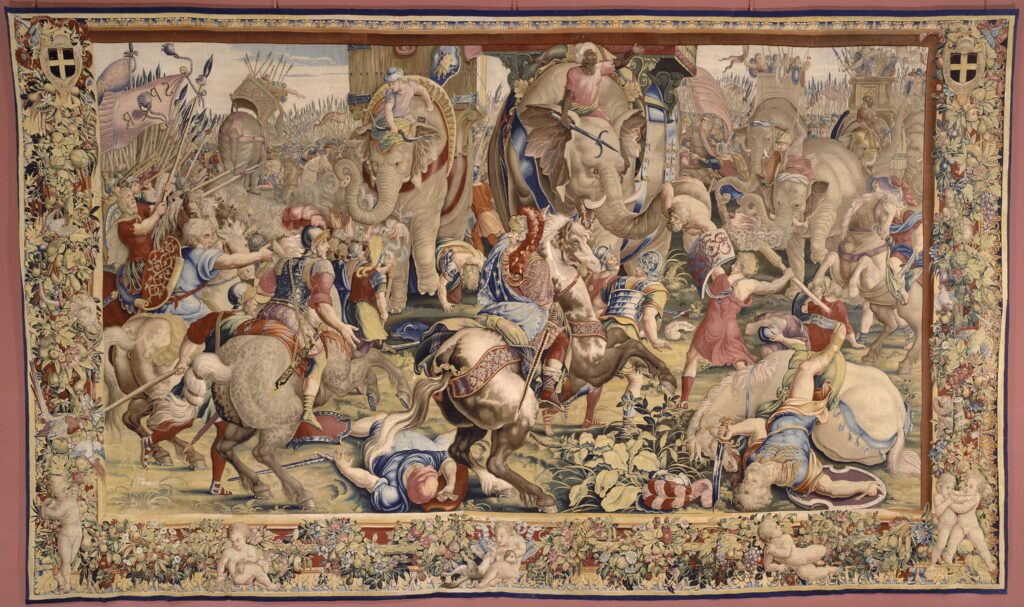
The decisive victory at the Battle of Zama (202 BC), where Massinissa’s cavalry played the critical role, forced the world to recognize Numidia as a sovereign power. Scholars emphasize that he spent the remainder of his long reign systematically recovering Amazigh lands from Carthage, famously asserting that the soil of Africa belongs to the Africans. This legacy of indigenous sovereignty remains one of the most significant chapters in the ancient history of North Africa.
A Legacy Carved in Stone and Identity
King Massinissa passed away at the age of 90, leaving behind a unified, prosperous, and literate Numidia. His influence extended far beyond his lifetime; he is credited with fostering the Libyco-Berber script (Tifinagh), ensuring that the Amazigh culture had a written voice. Archaeological monuments, from his grand tomb in Constantine to the inscriptions across North Africa, stand as silent witnesses to a ruler who defied the tides of Roman and Carthaginian expansion to preserve his people’s essence.
Today, Massinissa remains the ultimate symbol of Amazigh pride and sovereignty. His life reminds us that true leadership is defined by the courage to protect one’s heritage. To honor this timeless legacy, many continue to carry the symbols of Numidian strength into the modern day.
“Carry the spirit of Numidian royalty with you. Explore our Amazigh Legacy Collection featuring designs inspired by the symbols of ancient North African kings.”
Shop the Collection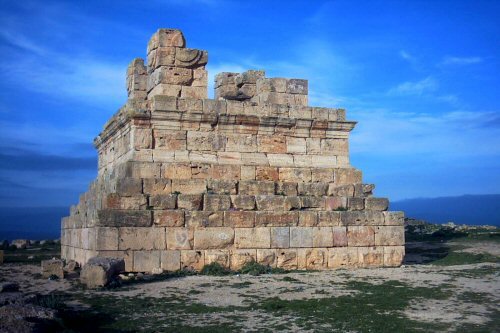
The “Tomb of Massinissa” (or Soumaâ du Khroub) is a 2nd-century BC Numidian monument located in El Khroub, near Constantine, Algeria. While traditionally associated with King Massinissa (202–148 BC), modern analysis suggests it may be the tomb of his son, King Micipsa. The site is a key archaeological landmark of ancient Numidia.