
Why These 5 AMAZIGH PHILOSOPHERS Matter Today
Long before the modern era, the rugged landscapes of North Africa were not only a crossroads of trade but a laboratory of intellect. The Amazigh people, through their deep connection to the land and their openness to the Mediterranean world, birthed thinkers whose ideas became the very foundation of Western and Eastern philosophy.
In this comprehensive guide, we explore the lives and legacies of five legendary Amazigh philosophers. From the first novelist in history to the fathers of theology and logic, these men proved that the “Amazigh Mind” was a universal force that transcended borders and centuries.
1. Apuleius of Madaurus: The First Novelist
Born in Madaurus (modern-day M’Daourouch, Algeria) around 124 AD, Apuleius was a polymath who famously described himself as “half-Numidian and half-Gaetulian.” While he mastered the Latin language, his spirit remained deeply rooted in his North African heritage.
He is most renowned for his masterpiece, “The Golden Ass“ (Metamorphoses), the only ancient Roman novel to survive in its entirety. Beyond literature, Apuleius was a distinguished Platonic philosopher and a brilliant orator who defended himself against charges of magic in his famous “Apologia,” showcasing the sharp intellect of the Amazigh mind.
2. Saint Augustine of Hippo: The Architect of Western Thought
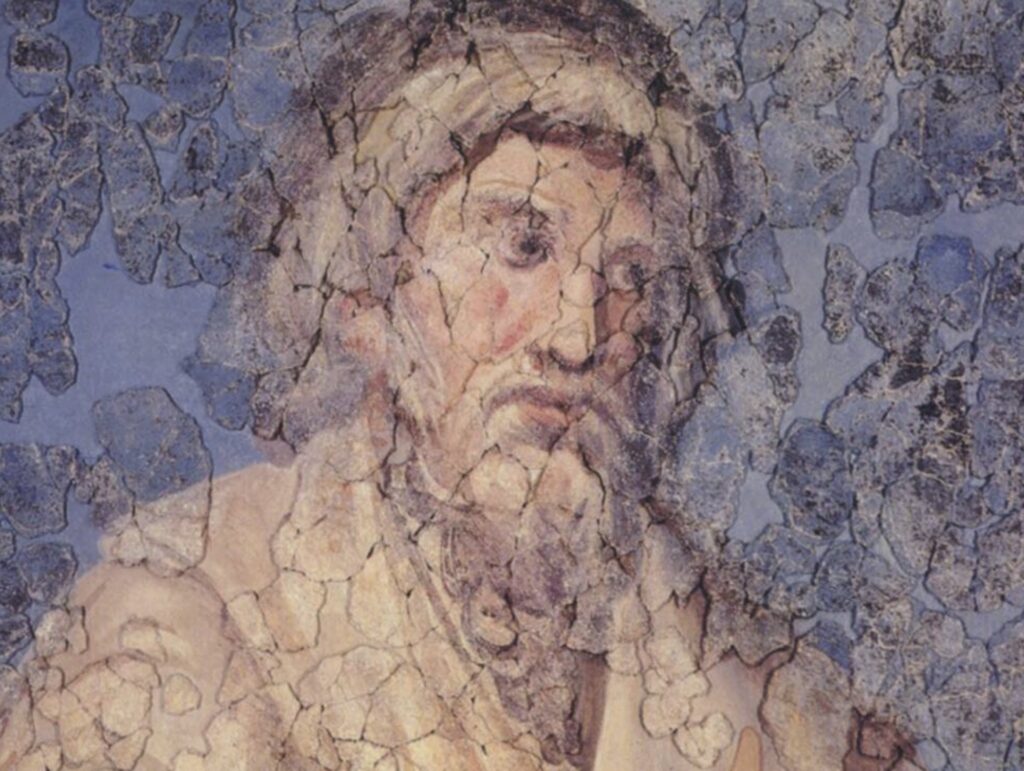
Perhaps the most influential figure in this list, Aurelius Augustinus was born in 354 AD in Thagaste (modern-day Souk Ahras, Algeria). Augustine was a proud North African whose philosophical journey took him from the shores of Africa to the heart of the Roman Empire.
His masterpiece, “Confessions,” is considered the first Western autobiography, where he explored the depths of the human soul. Beyond theology, his philosophy on “Time” and “Free Will” continues to challenge modern thinkers. He remains a testament to the intellectual power that emerged from the Amazigh soil, blending local wisdom with universal questions.

3. Tertullian: The Master of Logic and Language
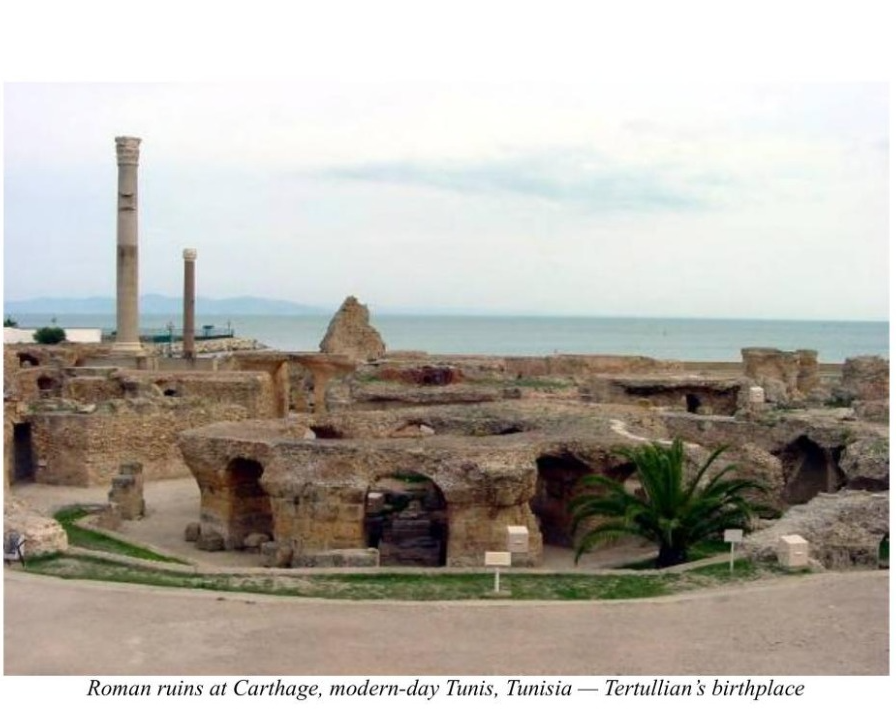
Born in Carthage (modern-day Tunisia) around 155 AD, Quintus Septimius Florens Tertullianus was a formidable intellectual force. He was the first great writer of Latin Christianity and is famously known for creating much of the theological terminology still used today.
Tertullian’s philosophy was marked by intense rigor and a brilliant use of rhetoric. He famously challenged the Greek philosophical schools of his time, asking, “What has Athens to do with Jerusalem?” His works provided a unique North African perspective on morality and ethics, proving that Amazigh thinkers were at the forefront of the Mediterranean’s intellectual evolution.
4. Juba II: The Scholar King of Mauretania
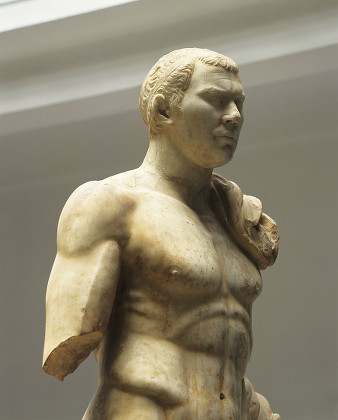
The most learned monarch of his time, Juba II was an Amazigh king who transformed his capital, Caesarea (Cherchell, Algeria), into a Mediterranean center of science and philosophy.
Juba II was not just a ruler; he was a prolific encyclopedic philosopher and researcher. He wrote extensively on history, botany, and geography, including his famous explorations of the Canary Islands and the Atlas Mountains. His intellectual curiosity bridged the gap between Amazigh traditions and Hellenistic science, making him a true “Polymath King.”
5. Arius: The Revolutionary Thinker
Born in Libya (part of the Amazigh North Africa) around 250 AD, Arius was a charismatic thinker and priest whose ideas sparked one of the most significant intellectual debates in history. He was a master of logic who insisted on a strict rational interpretation of divine nature.
His philosophy, known as Arianism, spread like wildfire across North Africa and Europe, challenging the established doctrines of the time. Arius represented the rebellious and independent nature of the Amazigh mind, refusing to accept dogmas that did not align with his logical reasoning. His legacy is a testament to how North African intellect could shift the course of global religious and philosophical history.

Conclusion: A Legacy That Never Dies
The intellectual contributions of these Amazigh philosophers are not just footnotes in history; they are the pillars upon which much of modern logic, literature, and philosophy stand. From the imaginative stories of Apuleius to the deep existential reflections of Augustine, the “Amazigh Genius” has always been a beacon of reason and independence.
Stay tuned as we dive deeper into each of these legendary figures in our upcoming series. At Amazigh Legacy, we are committed to bringing these hidden stories of North African wisdom back to the forefront of global conversation.
Which of these philosophers intrigued you the most?
Share your thoughts in the comments below and subscribe to our newsletter for the latest historical deep dives.
💡 Did You Know?
The phrase “Patience is a virtue” and many foundational concepts of “Just War” theory were deeply influenced by these North African thinkers. When you read a modern novel or debate law today, you are unconsciously echoing the legacy of these Amazigh giants!
Pingback: Apuleius of Madaurus: The Amazigh Genius Who Invented the Novel
Pingback: Saint Augustine of Hippo: The Amazigh Giant of Philosophy
Pingback: Juba II of Mauretania: The Great Amazigh Scholar king