
The Architecture of Resilience: More Than Just Clay
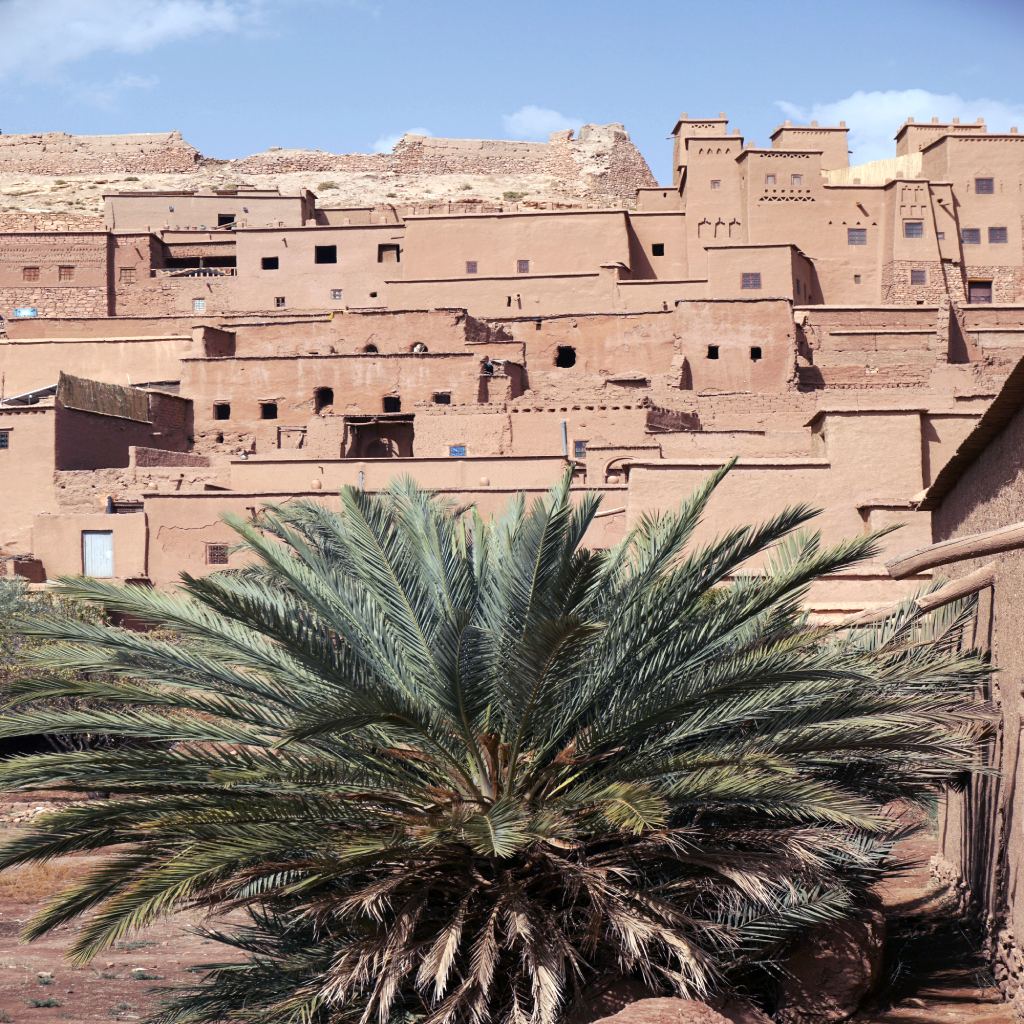
In the heart of North Africa, where the Atlas Mountains meet the golden sands of the Sahara, stand the Kasbahs—the “clay skyscrapers” of the Amazigh people. Built primarily from “Tabia” (rammed earth), these structures are naturally climate-controlled, staying cool during the scorching Saharan days and warm during the freezing desert nights.
Ait Ben Haddou: The Soul of the Desert
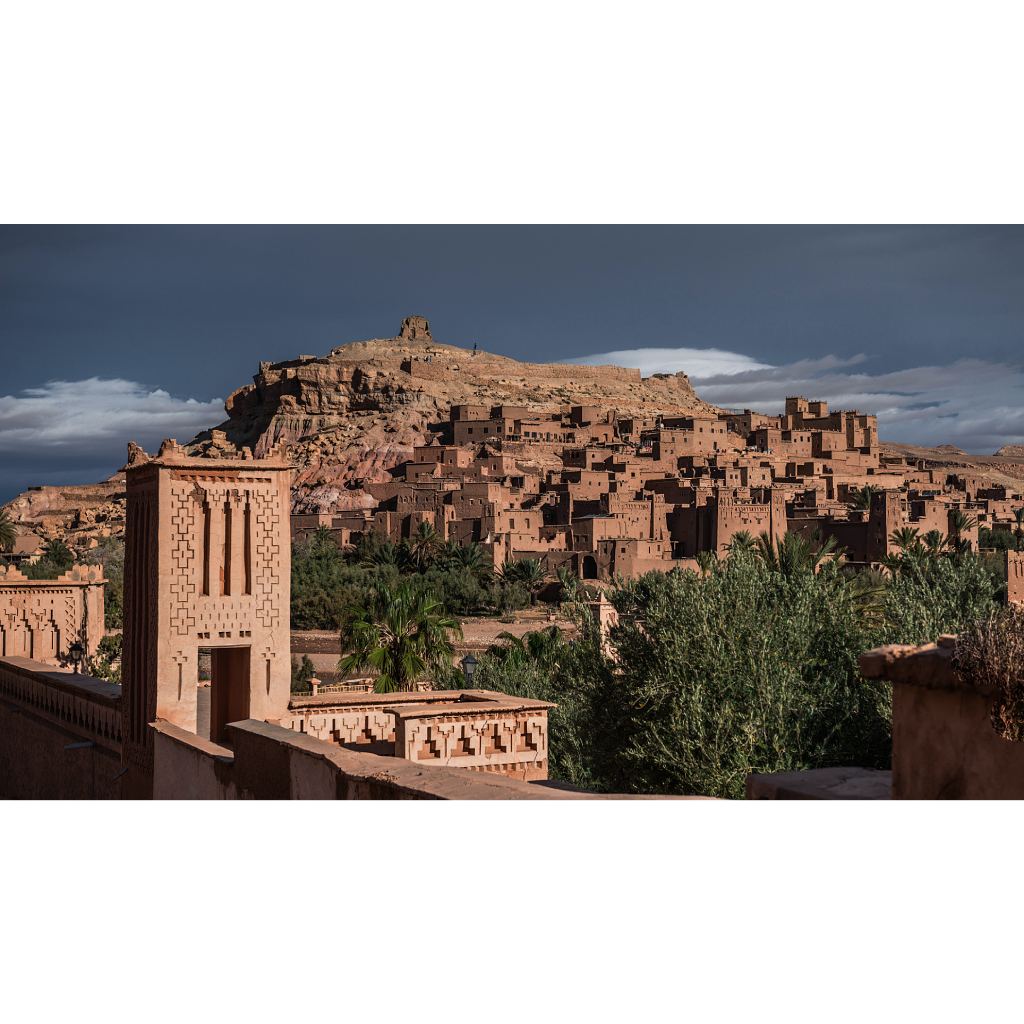
Perhaps the most iconic example is Ait Ben Haddou, a UNESCO World Heritage site. This fortified village is a labyrinth of homes and community areas, all crowned by a granary at the very top. It has captured the imagination of the world, serving as a backdrop for legendary films like Gladiator and Game of Thrones.
The Symbolic Language of the Walls
Look closely at the upper towers, and you will see geometric patterns—diamonds, triangles, and notches. These are not merely decorative; they are symbols of protection and tribal heritage. In Amazigh culture, the Kasbah is a “vertical soul,” where every floor and engraving tells a story of identity and safety.
Preserving a Vanishing Legacy
Today, these earthen palaces face the threat of erosion. However, a new generation is recognizing that the Kasbah is the ultimate sustainable building, made of earth and returning to the earth without leaving a scar.
Pingback: Volubilis: The Ancient Heart of Roman-Berber Civilization – Amazigh Legacy
Pingback: 5 Legendary Amazigh Philosophers Who Changed World History Forever